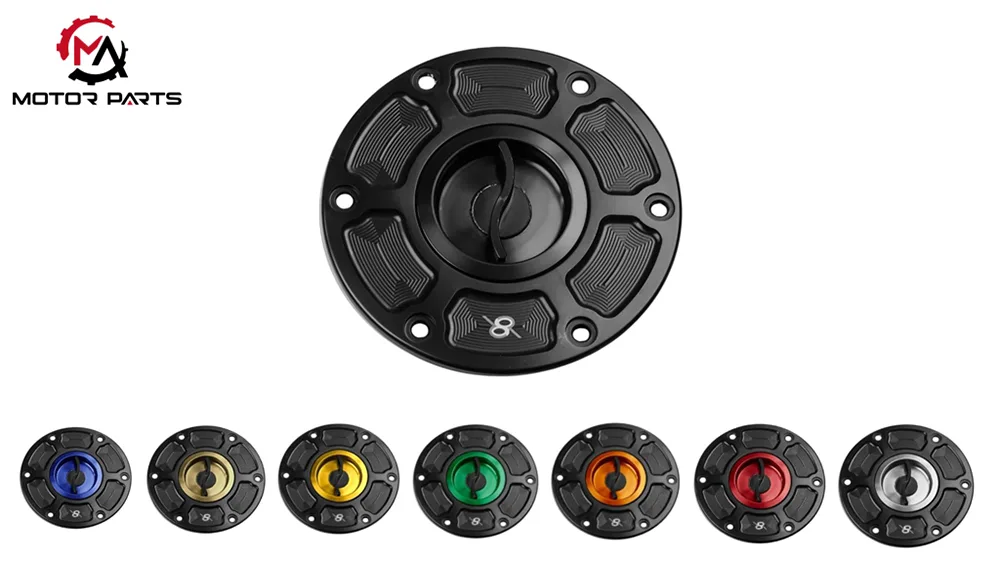
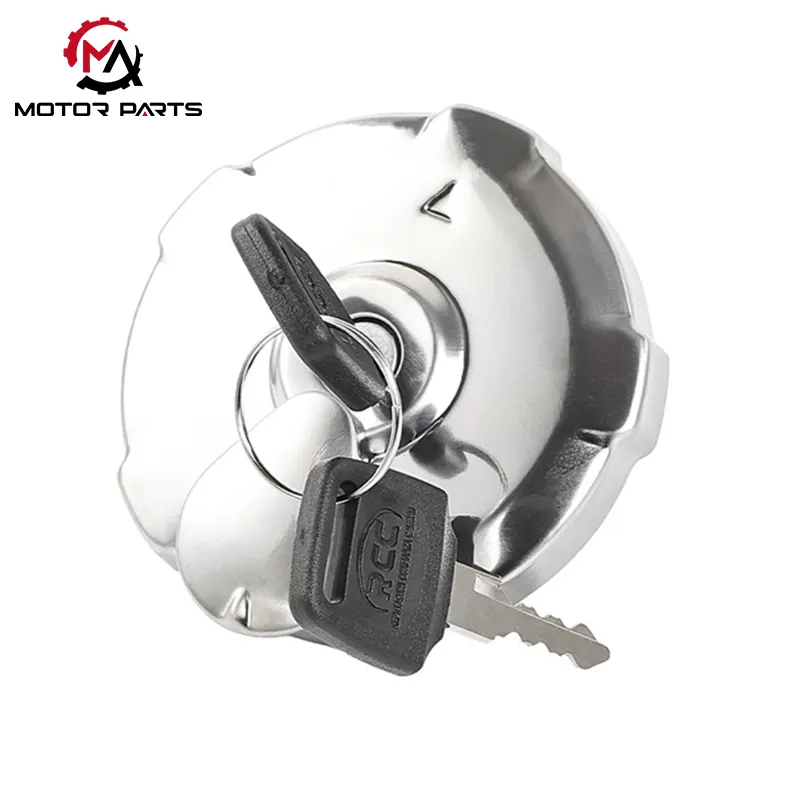
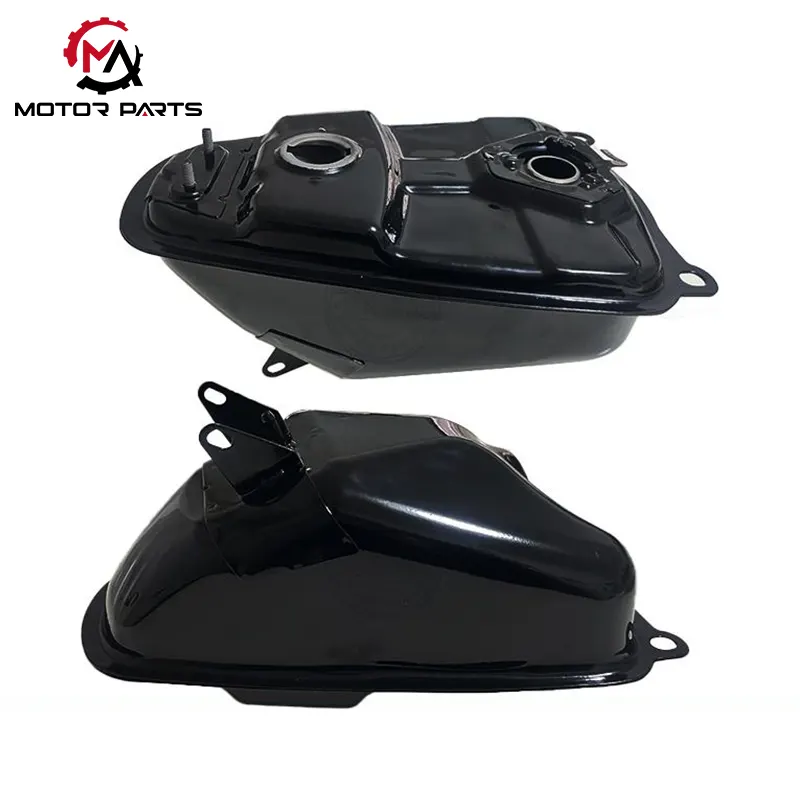
The motorcycle fuel tank components mainly include two parts: the motorcycle fuel tank and the motorcycle fuel tank cap. The two are vastly different in size, but they complement each other and are indispensable. Max Trading has established a three-level testing system consisting of "raw material selection - process dimension inspection - finished product limit testing". All fuel tank components have passed the leakage sealing test with an absolute pressure of over 130kPa, allowing consumers to purchase with confidence.
Motorcycle fuel tank: the core carrier from storage to performance adaptation
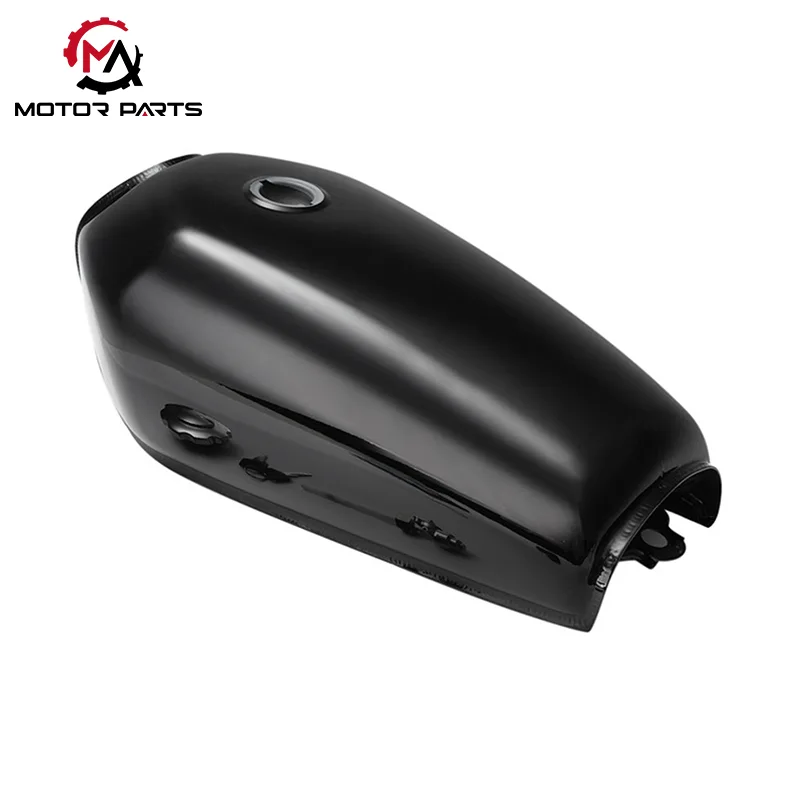
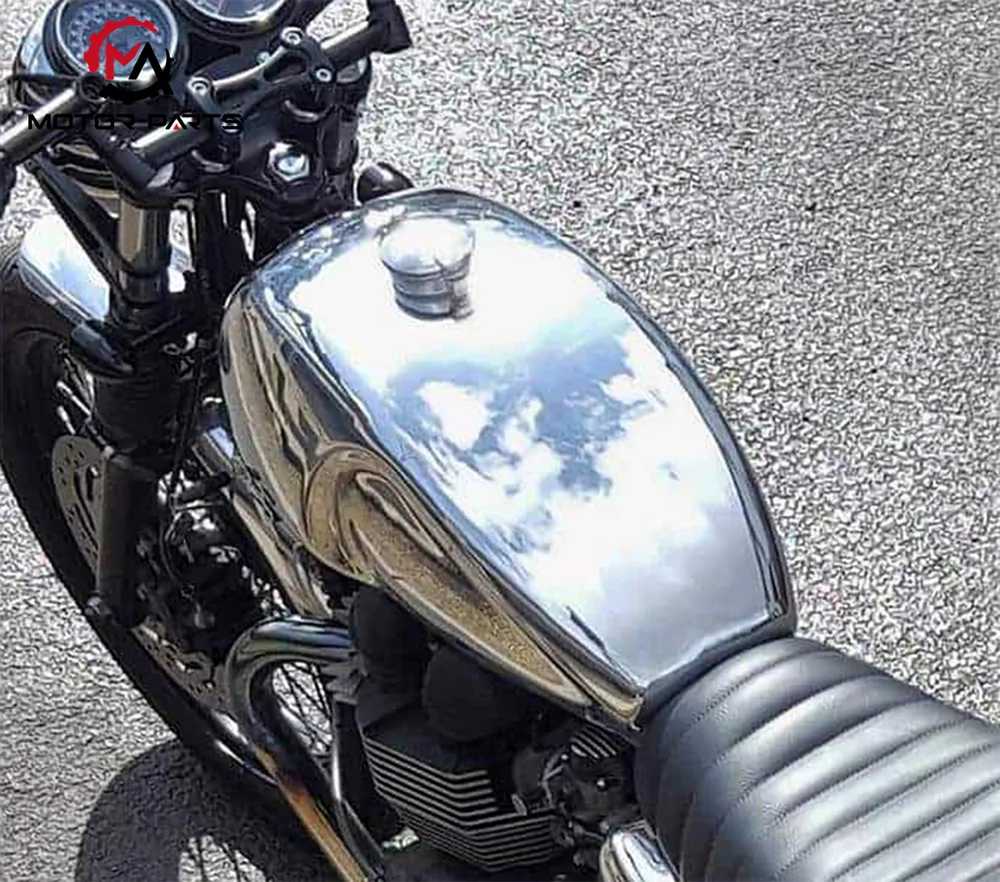
As the core component of motorcycle fuel storage, the design of motorcycle fuel tanks is a multidimensional and complex project. It is not only necessary to accurately match the fuel consumption requirements of vehicles, but also to consider multiple aspects such as vehicle dynamic balance, all-round safety protection, and ergonomic adaptation. There are significant differences in the structural form and functional characteristics of fuel tanks among different types of motorcycles, from road sports cars to off-road motorcycles.
1. Structural design: a "customized container" adapted to the characteristics of the vehicle model
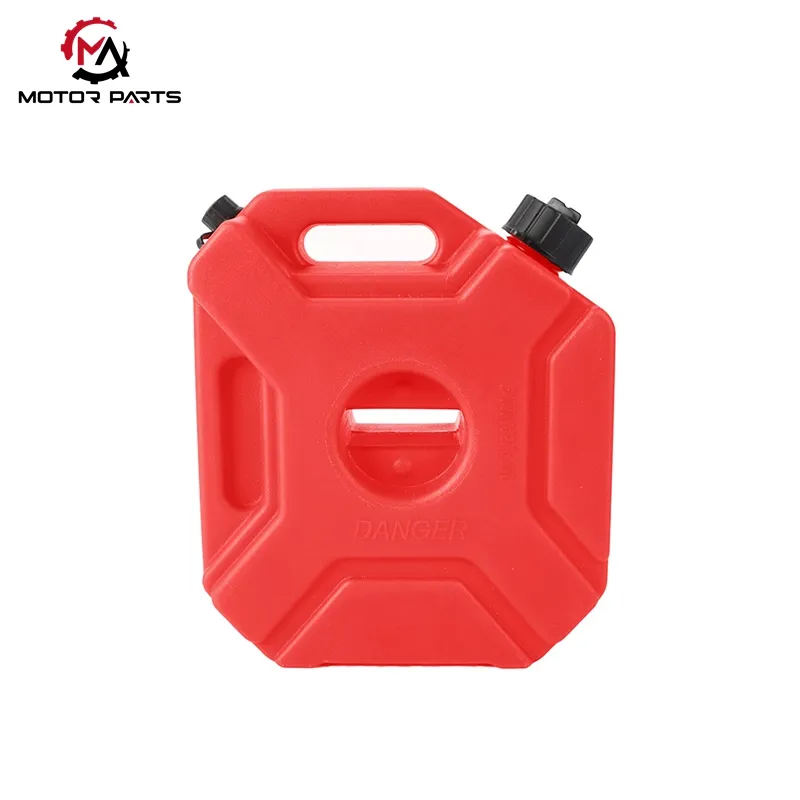
Material selection: The current mainstream motorcycle fuel tank materials are mainly divided into two categories: high-strength steel plate (thickness 0.8-1.2mm) and HDPE high-density polyethylene (thickness 3-5mm). The steel plate fuel tank, with its excellent rigidity and compressive strength, has become an ideal choice for large displacement vehicles (≥ 600cc), which can effectively cope with the pressure caused by long-term fuel storage; HDPE plastic fuel tanks stand out for their lightweight design (reducing weight by 30% -40% compared to steel plate fuel tanks of the same capacity) and excellent corrosion resistance, particularly adept at resisting the erosion of acidic substances in inferior fuel. They are widely used in small displacement commuter vehicles (≤ 150cc) and scooter motorcycles.
Design and Capacity: The fuel tank design should not only conform to the overall body line, but also fully consider the adaptability of riding posture. Sports motorcycles adopt a "narrow streamlined" design, with a fuel tank width of only 18-22cm in the middle, making it easy for riders to grip the body and greatly improving handling flexibility. Its capacity is mostly 10-15L, and the range can reach 300-400km. Long distance travel motorcycles adopt a "wide body and large capacity" design, extending to the outside of the rider's legs on both sides, with a capacity of 20-25L and a range of over 500km.
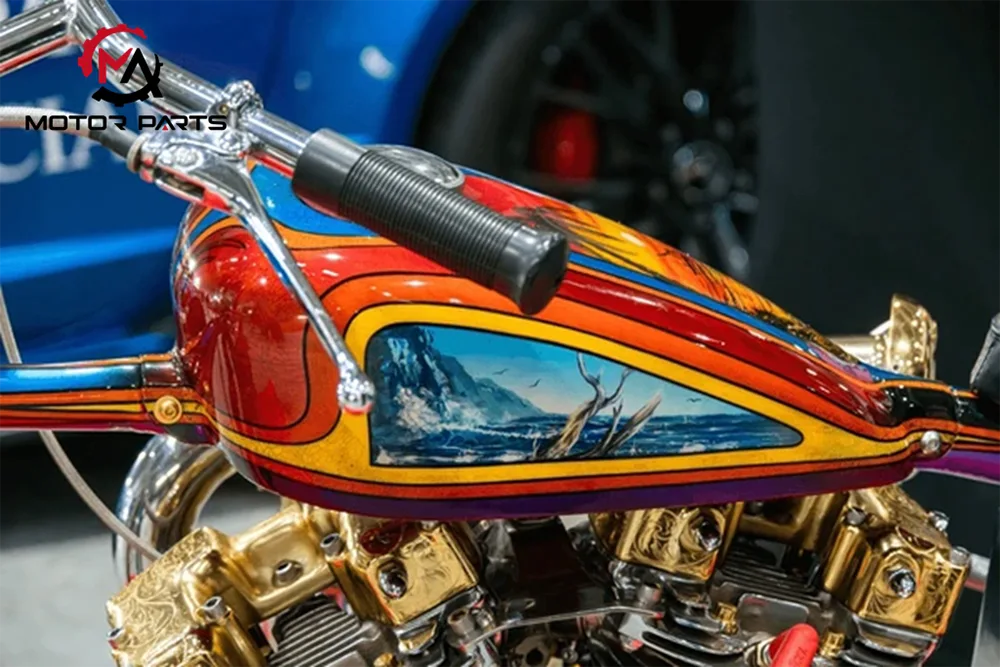
Internal structure: The internal structure of the motorcycle fuel tank is precise and not a simple hollow container. The fuel filter equipped at the bottom (with a pore size of 5-10 μ m) can efficiently filter impurities and moisture in the fuel, preventing engine fuel injectors from clogging; Some car models are equipped with 1-2mm thick metal anti wave plates in the middle of the fuel tank, which can significantly reduce the "surge effect" caused by fuel shaking during cycling and avoid the impact of frequent displacement of the vehicle's center of gravity on handling stability; Reserve a standard diameter 45-55mm refueling port at the top of the fuel tank, as well as an installation hole for the fuel level sensor, to ensure accurate transmission of fuel level data to the dashboard.
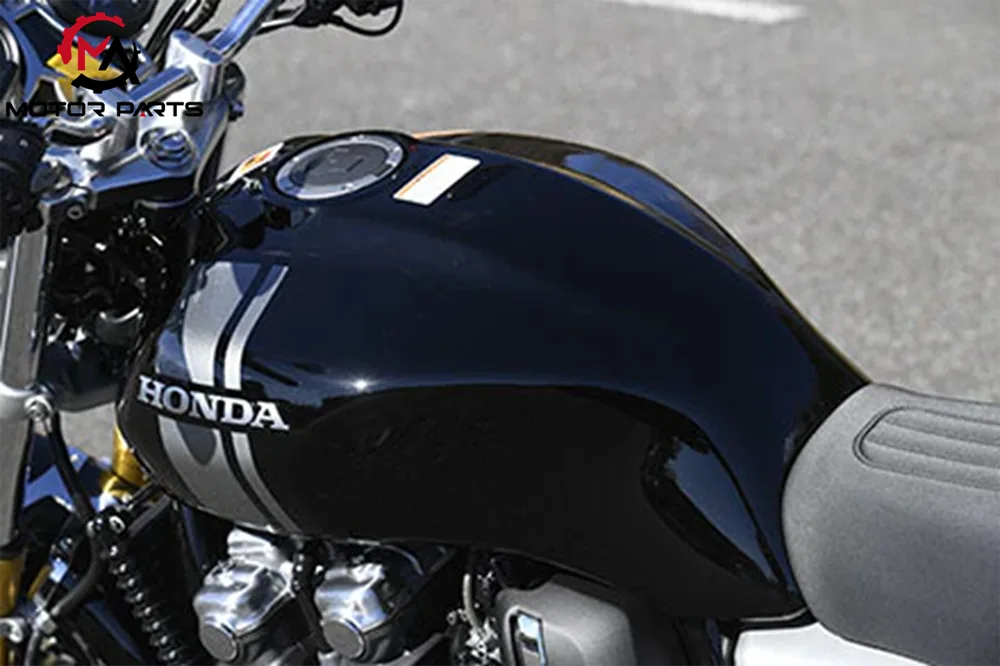
Core function: Supporting multiple functions of motorcycle operation
Fuel storage and stable supply: As the basic function of the motorcycle fuel tank, its capacity is precisely matched with the fuel consumption of the motorcycle engine. Taking a 125cc commuter car as an example, the fuel consumption per 100 kilometers is about 2-2.5L, which can meet daily commuting needs with an 8L fuel tank; And the 600cc sport motorcycle has a fuel consumption of 5-6L per 100 kilometers, which can support short weekend rides with a 15L fuel tank.
Vehicle center of gravity adjustment and handling optimization: The installation position of the fuel tank plays a decisive role in the distribution of the vehicle's center of gravity. The street car accurately sets the center of the fuel tank at the midpoint of the line connecting the front and rear wheel axles, at a height of 70-75cm from the ground, to center the center of gravity and significantly improve the flexibility of low-speed steering; Cruising motorcycles move the center of gravity of the fuel tank to a distance of 20-25cm from the rear wheel axis, combined with low seats, effectively reducing the rider's sitting center of gravity and enhancing straight-line driving stability. In addition, anti slip rubber strips with a surface width of 2-3cm and a friction coefficient of ≥ 0.8 on the motorcycle fuel tank can tightly adhere to the rider's legs, helping to stabilize the rider's body during rapid acceleration or braking, further improving handling safety.
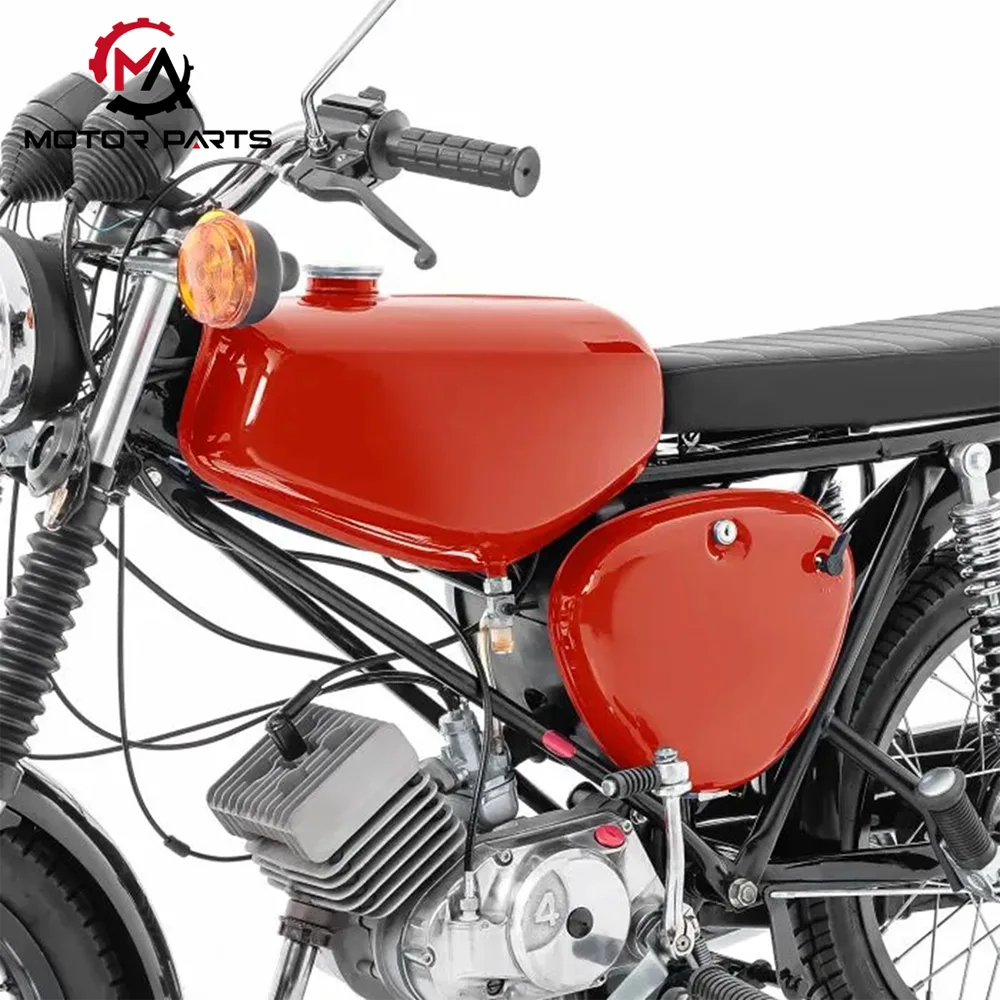
Passive safety protection: In collision accidents, the safety protection design of the fuel tank is crucial. The steel plate motorcycle fuel tank adopts a "deformation energy absorption" structure, and the shell is concave to absorb the impact force during collision, preventing the fuel tank from breaking; Plastic fuel tanks, on the other hand, can remain intact even under compression deformation due to the combination of tough materials and sealing strips. The oil resistant rubber sealing ring at the connection between the refueling port and the fuel tank body can effectively prevent fuel leakage.
Motorcycle fuel tank cap: small size, great function
Although the motorcycle fuel tank cap is compact in size, it is a key defense line for safeguarding fuel safety, playing an irreplaceable role in preventing leaks, theft, and other aspects. Its functional design revolves around three core dimensions: sealing protection, anti-theft security, and convenient operation, and every detail embodies the wisdom of industrial design.
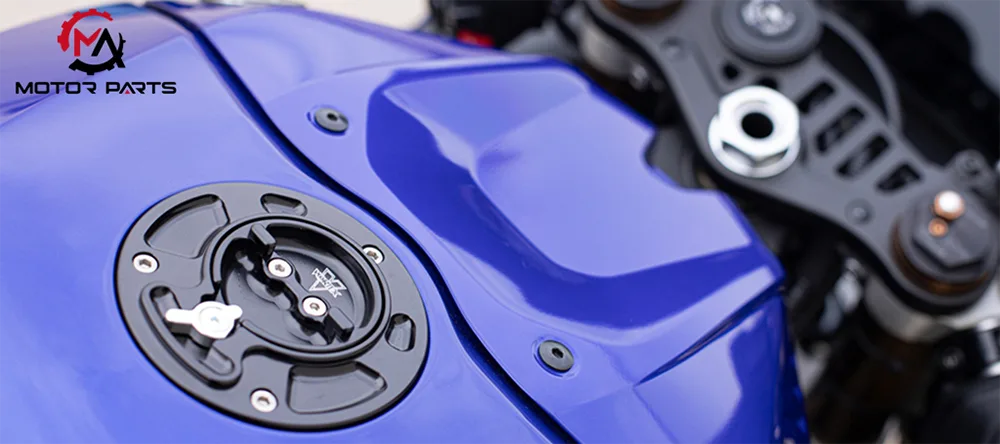
Multiple sealing structure: The high-quality motorcycle fuel tank cap uses a double-layer sealing design to construct a protective system. The inner layer is equipped with oil resistant rubber sealing rings with a diameter of 40-50mm and a thickness of 3-4mm. With excellent elasticity, they tightly adhere to the inner wall of the fuel tank filling port, preventing fuel evaporation and leakage from the source; The outer layer uses a threaded tightening structure with a pitch of 1.5-2mm, which further enhances the sealing performance through precise meshing. Even if the motorcycle is tilted at a 45 ° angle, it can ensure that fuel does not leak out. In addition, some models have installed intelligent pressure valve devices inside the fuel tank cap: when the high temperature causes the pressure inside the fuel tank to rise to 0.15 MPa or above, the pressure valve automatically opens to release pressure, preventing the fuel tank from expanding and deforming due to excessive internal pressure; When negative pressure drops below -0.05MPa due to fuel consumption in low-temperature environments, external air is quickly drawn in to maintain pressure balance in the fuel tank and ensure stable fuel supply.
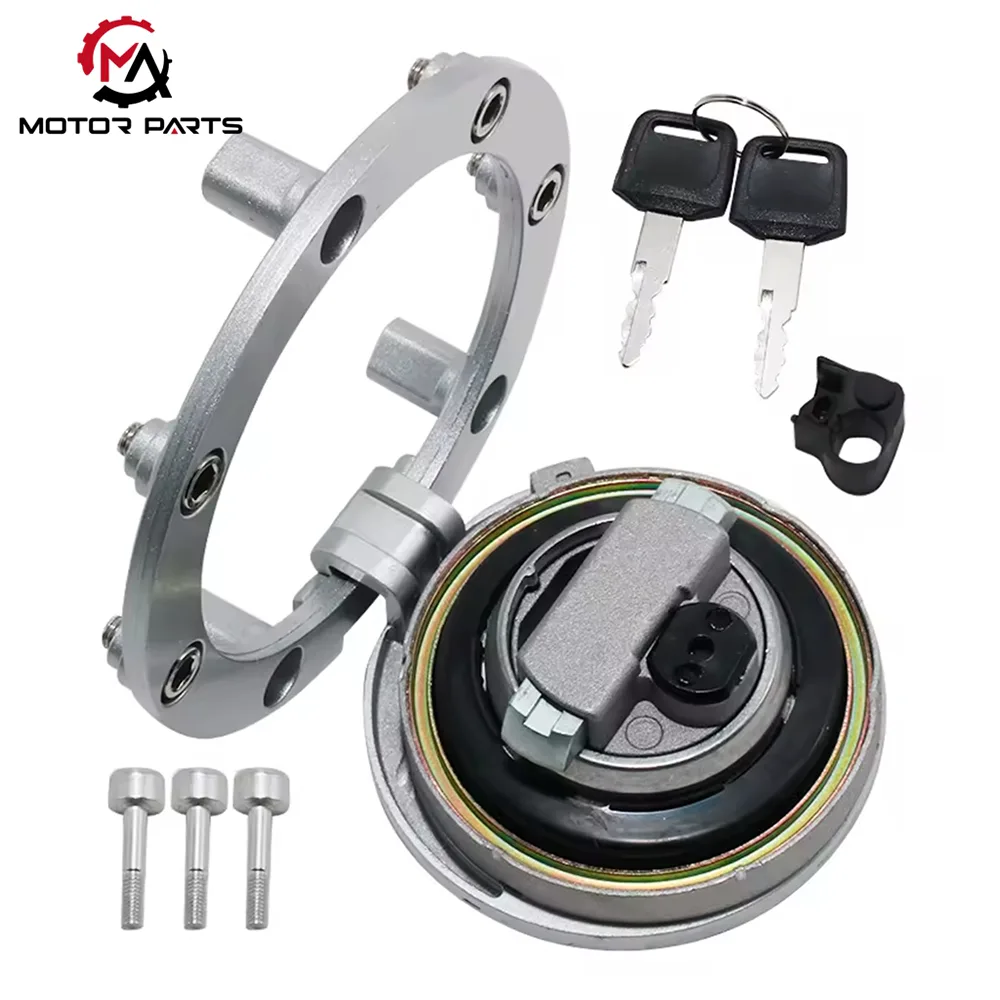
Waterproof and dustproof design: The top of the motorcycle fuel tank cap adopts a dome shaped streamlined design, combined with a 2-3mm wide water channel structure, shaping an efficient drainage channel that can quickly divert rainwater to the outside of the fuel tank, preventing rainwater from infiltrating and polluting the fuel along the fuel filling port. A plastic dust cover connected by hinges is installed on the inside of the fuel inlet, which automatically closes when not refueling, creating a physical barrier to oppose foreign objects like dust and sediment, effectively cutting down the risk of fuel pollution.
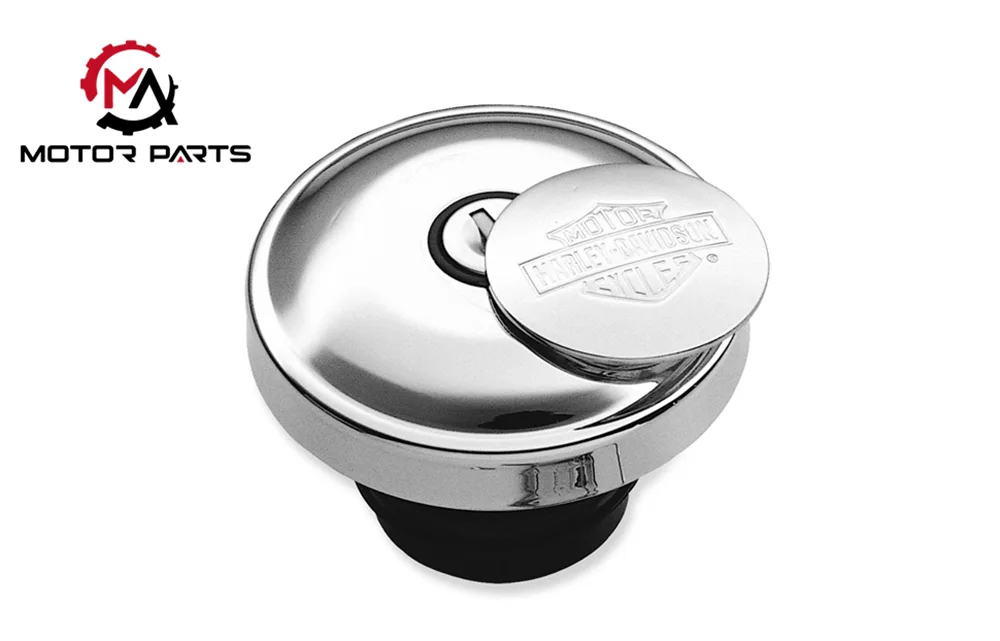
Mechanical anti-theft structure: The current mainstream motorcycle fuel tank cap widely adopts a key locking design, and its lock core is mostly shaped like a plum blossom, blade, etc. It needs to be opened with a dedicated key to effectively resist illegal prying by general tools. Some models further enhance their anti-theft performance by adding metal anti-theft pins with a diameter of 5-6mm between the fuel tank cap and the fuel filler. When the fuel tank cap is locked, the anti-theft pin is precisely inserted into the fuel port lock hole, and even if the lock cylinder is damaged, the fuel tank cap is still firmly locked.
Electronic anti-theft upgrade: In the high-end motorcycle field, the fuel tank cap integrates an advanced electronic anti-theft system. Users need to unlock the vehicle through the central control system, either by pressing the remote unlock button or entering a preset password on the dashboard. Otherwise, the fuel tank cap will be in a mechanical and electronic dual lock state and cannot be forcibly opened with a conventional mechanical key. In addition, some models are equipped with an abnormal opening alarm function. Once the fuel tank cap is pried open in an unauthorized state, the vehicle will immediately trigger a high decibel alarm (volume ≥ 100dB), accompanied by high-frequency flashing of the turn signal, forming a strong deterrent and effectively preventing fuel theft.